Advertisement







Interim committee discusses child fatality prevention methods
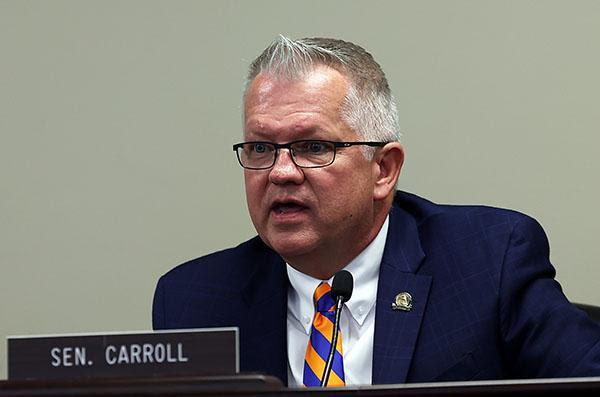
FRANKFORT — Safer storage methods for firearms and medication and expanded access to child care were some of the proposals that surfaced among lawmakers Wednesday to help prevent child fatalities in Kentucky.
The Interim Joint Committee on Families and Children discussed these ideas following a presentation on the 2024 Annual Report from the state’s External Child Fatality and Near Fatality Review Panel.
The panel is comprised of 22 experts who have backgrounds in social work, law, law enforcement, health care, state government, policy and more. Interim committee co-chairs Rep. Samara Heavrin, R-Leitchfield, and Sen. Danny Carroll, R-Paducah, are members.
Panel Chairman Benjamin Harrison, who is also the Lewis County Attorney, said the panel is required to meet quarterly, but has been meeting monthly due to the caseload.
The 2024 Annual Report includes data from 219 cases, Harrison said, with 70 fatalities and 149 near fatalities.
“From our 2024 report, it shows that since 2014, 75% of all cases reviewed by the panel were children aged four years or younger,” Harrison said. “The panel has continuously found children in this age group are at a higher risk for a fatal or near fatal event due to maltreatment.”
Overdose/ingestion cases are the most common types of cases the panel sees, Harrison added. According to the report, 95% of all overdose/ingestion cases involved environmental neglect, or unsafe access.
Harrison said firearm incidents involving children in Kentucky have declined post the height of the COVID-19 pandemic, but they’re still a cause of concern. The panel has reviewed 79 firearm incidents in the last five years, which is a small subset of the overall pediatric firearm injuries in Kentucky, he said.
“In fiscal year ’23, the panel reviewed 12 cases involving injuries by firearms. All but one resulted in a death,” Harrison added. “58% of all firearm cases involved a handgun. And a handgun, we found, was used in every child suicide case reviewed by the panel, and the panel has identified 75% of these cases were noted to be potentially preventable.”
Rep. Rachel Roarx, D-Louisville, said she wanted to know how Kentucky’s laws “stack up” with parental accountability in child firearm cases.
“Do you think that the recommendations around safer storage and locks is kind of where we’re headed at this moment in time?” she asked.
Panel member Steve Shannon, who is the executive director of the Kentucky Association of Regional Programs, said safe storage is a high priority.
“Of my opinion, the adult who has the gun has a cavalier attitude to the gun in the home,” he said, giving an example of one adult in a case who said they kept their gun stored behind a television.
As for parental accountability in relation to overdose/ingestion cases, Carroll said he’s found no consistency with how law enforcement investigates these types of cases in Kentucky along with a lack of “statutory authority.”
“That is on my list for the (2026) session to maybe address that, because these numbers are alarming the way that they’re growing, and there does not seem to be any accountability for those who are responsible for those kids in these cases,” he said. “And in a lot of cases, there’s not being thorough investigations conducted.”
Prevention was also discussed by the committee. Sen. Keturah Herron, D-Louisville, and Heavrin both shared their thoughts on the importance of examining the root cause of the events leading up to the child’s death or near death.
“To me, it’s just very alarming that it’s financial issues, then criminal history – which typically if people have financial issues they get into criminal behavior – and then that leads to the mental health, the trauma and then the domestic violence,” Herron said, adding she hopes every committee in the legislature is examining the root causes of these issues moving forward.
Heavrin said the panel examines the root causes of each case.
“Most of these have prior (Department of Community Based Services) cases and issues that are going on,” Heavrin said. “So what can we do for prevention?”
Heavrin also mentioned how children under the age of four are more likely victims since they’re not in school. Carroll, who works in the child care industry, said fixing Kentucky’s child care issues could help.
“Last week within our facility, we had three different reports to DCBS,” he said. “What are we preventing by reporting those things? What else could we prevent? What else could all the other centers throughout the state prevent if more kids were within their facilities?”
Lawmakers cannot take action on legislation until the 2026 legislative session begins on Jan. 6.
The next Interim Joint Committee on Families and Children Committee is scheduled to meet on July 30 at 1 p.m.

Advertisements



Clicking on an ad will open the advertiser's web site or a larger view of the ad. Advertise with us!
Advertisements