Advertisement







Cheryl Hughes: Ordinarily
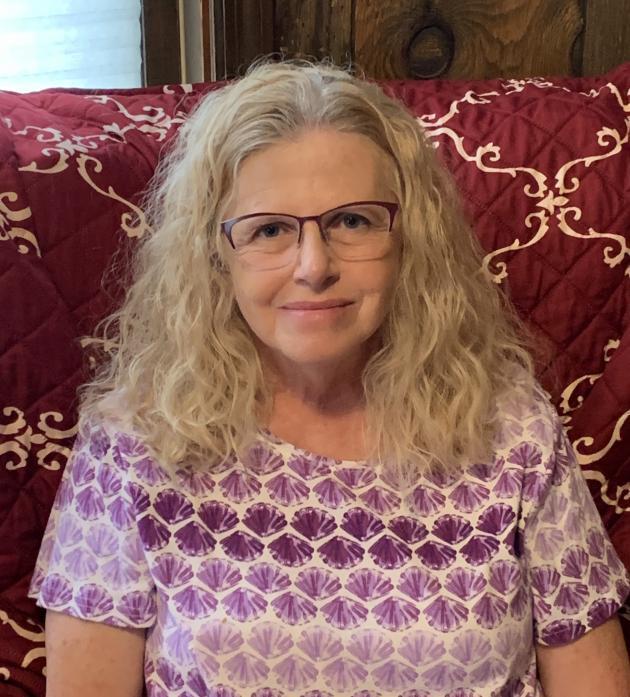
I read something recently that changed the way I think about “ordinary.” Carolyn Myss said, “People hold the idea of being ordinary in absolute contempt. ‘Please, God, make me anything, but not ordinary.’ And because they do that, they feel like they should be protected from ordinary things. So, when something happens like an illness, poverty, any kind of catastrophe, they think, I can’t believe this happened to me.”
I’ve gone through times when I felt like I checked all the right boxes and things still didn’t go right. I have finally reached the point where I’m no longer shocked when things fall apart. I guess that’s something. For years, though, I came unhinged at the slightest change in direction. I made plans that were chiseled onto stone tablets, and dared Moses, himself, to mess with them.
From a young age, I was taught Bible stories and the lessons that go with them. My stepmom was very religious. She would read Bible stories to my two younger sisters and me before bed, then quiz us on what she had read, and it would behoove us to pay attention, so I did. I learned God blessed the obedient and punished the rebellious, so if I wanted good things to happen to me, I had better toe the line.
Enter: Real Life. As a young adult, I spent a lot of time being angry with God. I felt like he was not keeping up his end of the bargain, and I honestly don’t know how Garey survived living with me our first few years of marriage either. I had a blueprint in my mind of how my life was supposed to be, and I had no idea how to make it happen, so I spent much of my early twenties in a state of either frustration or depression or both. I did, however, know how it was not supposed to be.
I grew up in a family that was in constant chaos. When something went wrong or something broke down, it was the end of the world. My dad always overreacted. He got angry then fussed and complained until we were all worn out from it. He wasn’t much of a repairman, so my stepmom had to depend on her brother who lived nearby or her brother-in-law, when he and Mom’s sister came to visit, if she needed anything fixed. We went for long stretches of time with broken or half-functioning appliances or plumbing. (I’ve told you before how I slipped off the bathtub and cut my foot open on a rimless tin can that was catching water from a leaking pipe under the sink when I was five years old.)
I made a promise to myself that, when I grew up, my house would always be in working order. When something broke down, like things will inevitably do, I would panic then become angry, because I felt so out of control. If it took a few days to get parts or for Garey to get a chance to work on it, I would fall into a depression, because I was back there in my father’s house, where things were rarely in working order, and I lost hope that things would be different in my life.
Tony Robbins said, “When life doesn’t match your blueprint, and you feel helpless to change it, that’s when you suffer. When this happens, you have to blame someone, which is what most people do. They blame the environment or blame someone else or blame themselves. Blame doesn’t change anything. Your other choices are change your life. Do something. Or change your blueprint.”
I think the most important realization I ever came to is the realization that I am not being picked on—not by God, not by the universe, not by others. The things that have happened to me are the same kinds of things that have happened to you. Like it or not, I’m just an ordinary person, and ordinary people have to sometimes live with broken things.

Advertisements



Clicking on an ad will open the advertiser's web site or a larger view of the ad. Advertise with us!
Advertisements