Advertisement







Andy Sullivan: Against The Grain
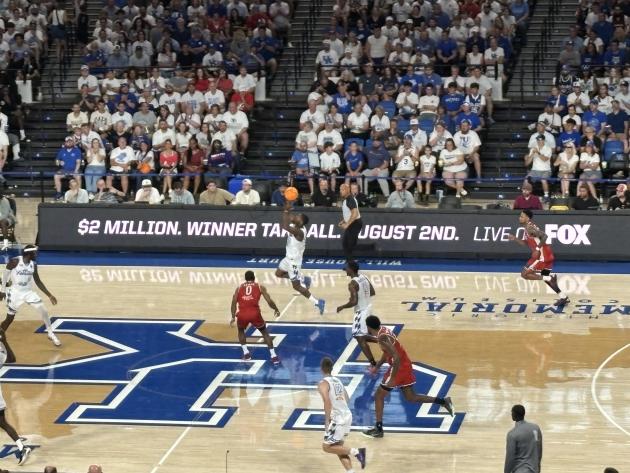
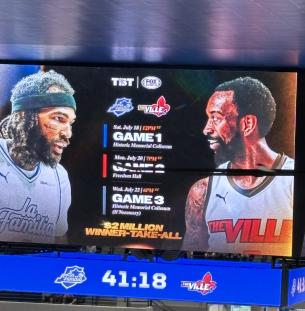
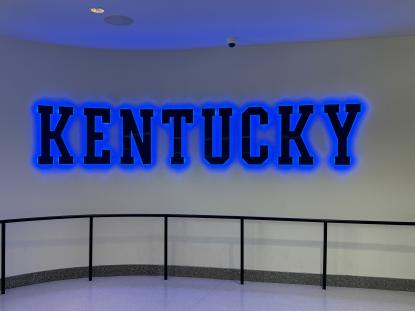
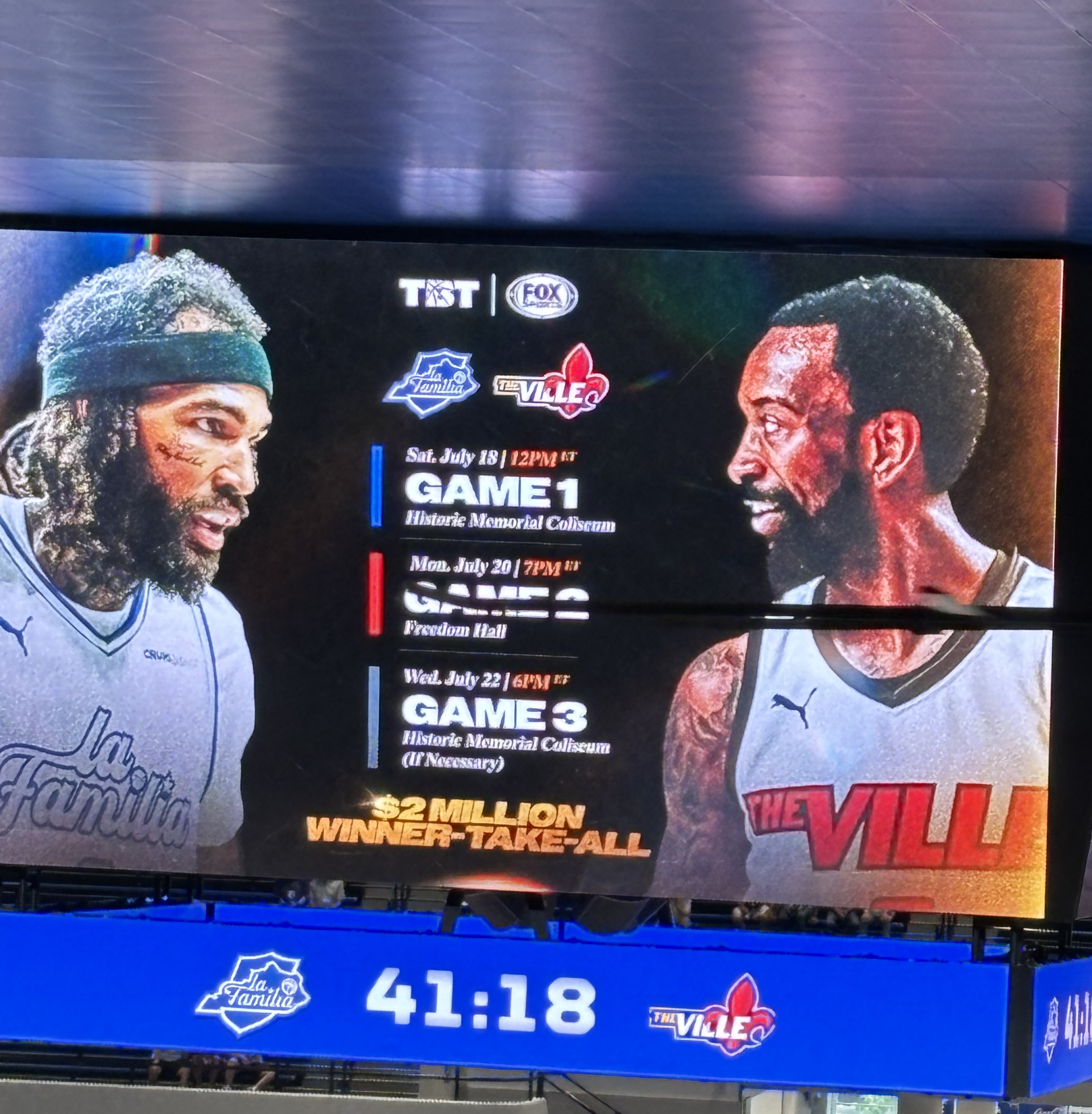
On Saturday July 18th, my family and I attended game one of TBT (The Basketball Tournament) first round matchup between La Familia (Kentucky alum) and The Ville (Louisville alum) held at historic Memorial Coliseum in Lexington, Kentucky. Turns out that the game wasn’t the only thing of interest on this trip.
Outside the newly renovated Memorial Coliseum, a major outdoor plaza facing Euclid Avenue/Avenue of Champions, features stone monuments inscribed with the names of over 10,000 Kentuckians lost in World War II, Korea, Vietnam and subsequent conflicts. These names were transcribed from historical, hand-inked plaques.
The original names from WWII were flawlessly hand-lettered by University of Kentucky professor John Horine in 1949 and 1950. Horine painstakingly inked each name using a nib pen and India ink-even including his own son, Corporal John Horine. (Lexington Herald Leader).
Following an $82 million renovation, the lists were transferred to permanent outdoor stone monuments to preserve the legacy of these fallen service members. (Spectrum News)
Onto the game. La Familia won what wound up being a tightly contested game 72-68. Something to know about these TBT games before I go on. They follow something called the Elam Ending. The Elam Ending is calculated at the first whistle with under four minutes left in the game by taking the leading team’s score and adding a predetermined number of points (usually 7-9) to it. It is named for Nick Elam, a professor at Ball State University. The Elam Ending was first used by The Basketball Tournament in 2017. The Basketball Tournament officially started in 2014.
La Familia’s biggest contribution in this game came from players who never even wore a Kentucky uniform. La Familia player, Maryland’s Darryl Morsell, scored the game-winning bucket when he slipped a screen on an inbounds play and took one step for an unguarded dunk. The Maryland product led all scorers with 17 points. He was one of four non-UK additions who paid dividends in the game. Sean McNeil came off the bench to score 12 points, knocking down a pair of three’s, while James Mainor Bell (10 points) and Chris Coffey (3 points and 8 rebounds) also provided key production. Those four players combined for 42 of La Familia’s 72 points. Game two unfortunately didn’t go La Familia’s way. The Ville won that one 82-62 to force a pivotal game threeWednesday night.
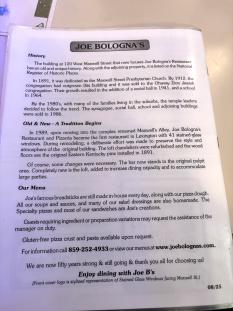
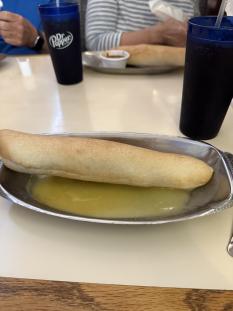
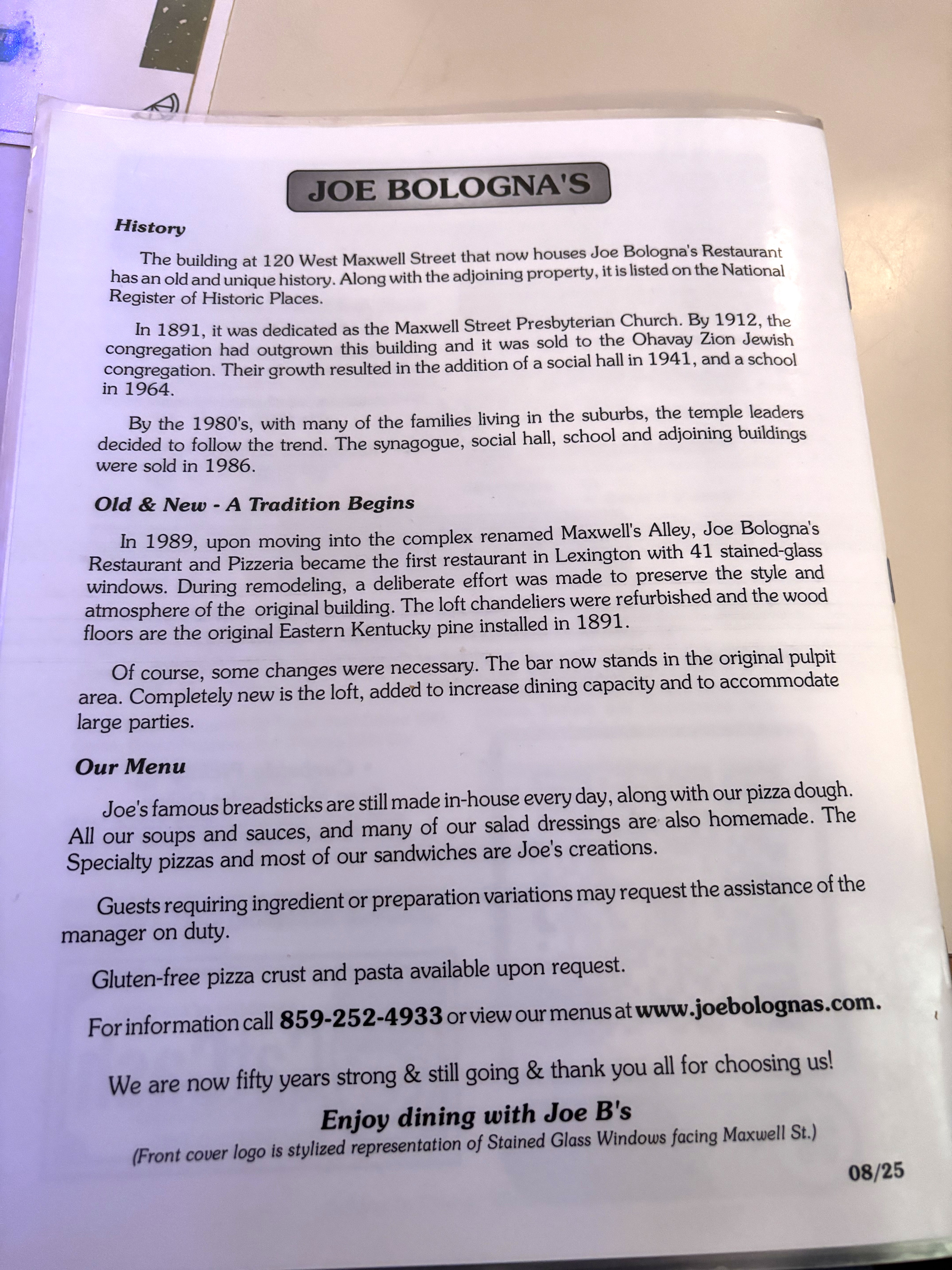
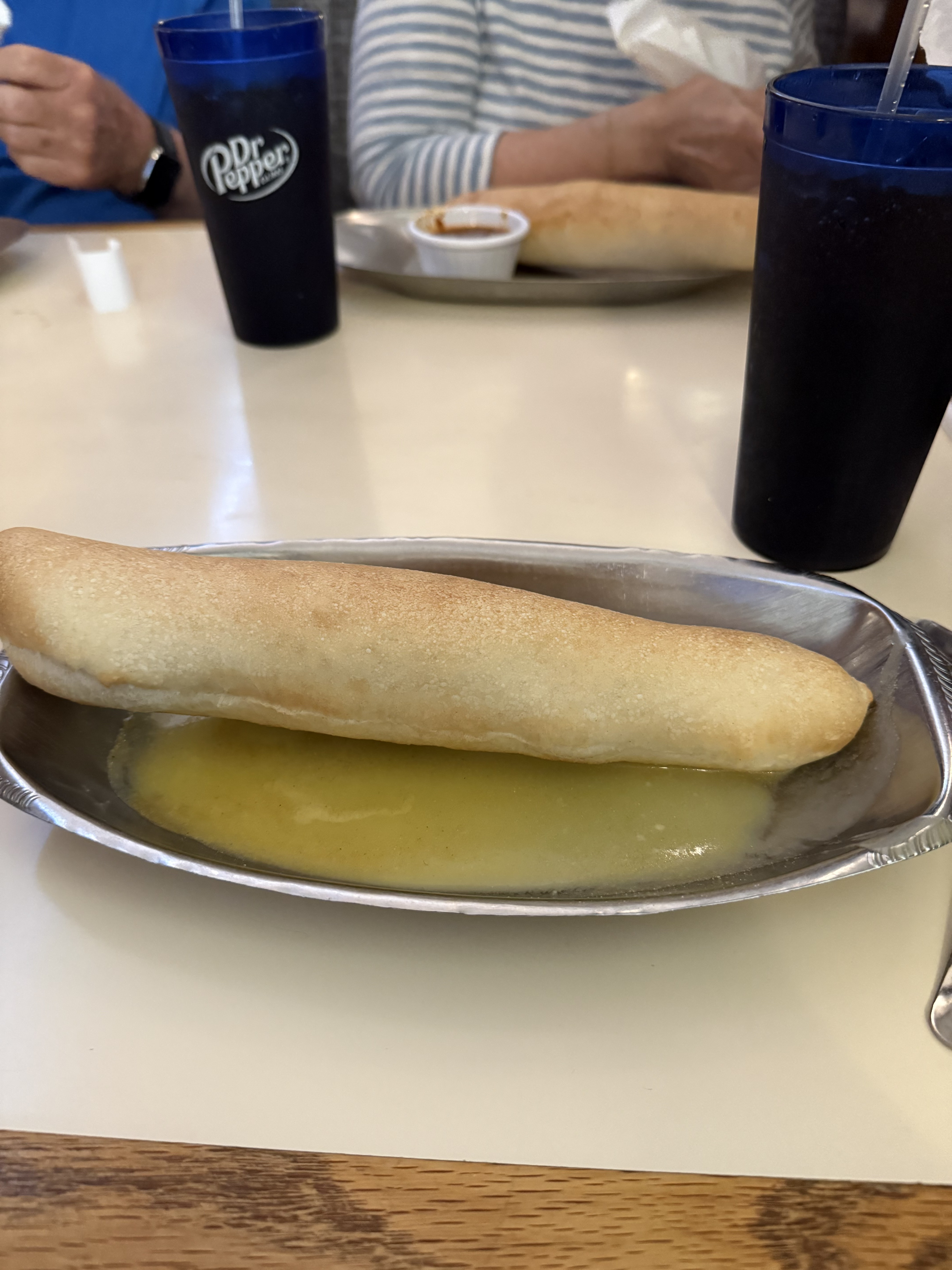
The night before the game, we ate pizza at Joe Bologna’s, known for their good pizza and huge breadsticks. During remodeling to change the Jewish temple into a functioning restaurant, a deliberate effort was made to preserve the style and atmosphere of the original building. The stained-glass windows are the original but are now protected by shatter-proof glass on the outside. Inside, the loft chandeliers are refurbished from the synagogue. The wood floors are the same Eastern Kentucky pine installed in 1891 and have simply been sanded and refurbished. The bar now stands in the original pulpit area, but even there some of the original building is preserved.
In keeping with the décor, the wood is poplar and the glass is etched in a diamond pattern to match the design of the stained-glass windows. Booths and tables were custom made with wood and fabrics chosen to compliment the colors of the windows. The building at 120 West Maxwell Street that now houses Joe Bologna’s Restaurant has an old and unique history. Along with the adjoining property, it’s listed on the National Register of Historic Places. The land, on the corner of Maxwell and Lawrence Streets, and between South Upper and Limestone Streets, was purchased in March 1890 by the congregation of the First Presbyterian Church of Lexington. It was dedicated on April 17, 1891, as the Maxwell Street Presbyterian Church. By August 1891, they had erected a “handsome brick church, trimmed in stone, lighted by gas, heated by a furnace and furnished with modern pews capable of seating 400 worshippers comfortably (The Church Record).
The original cost was $7,000. Church membership expanded from its original 75 members to 250 in 1896. The congregation eventually outgrew the building and decided to move. In April 1912, it was sold to the Ohavay Zion congregation. In 1914, it was rededicated as the Jewish synagogue in Lexington starting with just 25 members. The congregation’s growth resulted in a social hall being added in 1941 and a school in 1964. However, the original structure remained largely unchanged. One of the reasons the Jewish community chose the site was religious rules prohibiting riding or driving on the Sabbath. In 1912, when Ohavay Zion purchased the building, its members lived within walking distance. However, by the 1980’s, many of the membership of 150 families had moved out of the suburbs and temple leaders decided to follow the trend. The synagogue, social hall, school and adjoining commercial buildings were sold in August 1986 to Kaufman Properties. The current property owner.
A tradition begins in 1989, upon moving into the complex renamed Maxwell’s Alley, Joe Bologna’s Restaurant and Pizzeria became the first restaurant in Lexington with 41 stained-glass windows. During remodeling to change the Jewish temple into a functioning restaurant, a deliberate effort was made to preserve the style and atmosphere of the original building.
The beaded poplar board covering portions of the wallsand ceiling matches the material used for the original exterior doors. The loft, added later to increase dining capacity, is the only completely new feature. The dominant feature of this Victorian Gothic brick structure, also used for Joe’s new logo, remains the huge eighteen-foot-tall stained-glass window facing Maxwell Street. Whether looking down over a religious congregation or restaurant diners, the beauty and quality of the window add elegance and artistry to this fine old building. (www.joebolognas.com)


Advertisements



Clicking on an ad will open the advertiser's web site or a larger view of the ad. Advertise with us!
Advertisements