Advertisement







Cheryl Hughes: Event Boundary
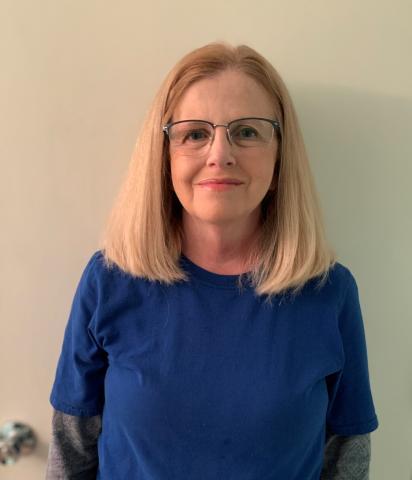
There’s an article on memory boosters in the latest AARP Magazine. I usually don’t read articles like that, even though I need to, but Garey started reading it to me one afternoon, and I found it quite interesting. Leslie Goldman wrote the piece, and she quotes psychologists and psychiatrists who have studied memory.
Be mindful of where you place things is a suggestion. “Mindfully noticing details of where you place everyday items will help them stand out,” she suggests. The concept is if you notice details of the countertop or vanity top or tabletop where you lay things, you will remember where they are. That would probably work for people who aren’t always in a hurry, but if I am pushed to pick up my granddaughter in 15 minutes, mindfulness goes out the window. If I ever get to the place where I’m just puttering around the house, I will try to remember that one.
“Become a monotasker,” is a novel suggestion for the society we live in. I think I was a multitasker before there was a word for it, however, the explanation for what multitasking does to your brain made me sit up and take notice. “Every time you shift back and forth between two tasks, there’s a lag as your brain reorients,” says professor of psychology, Constance Schmidt. “Interruptions have cognitive costs,” she says. In other words, you can wear your cognitive abilities out, way before your body shuts down.
Everyone, everywhere encourages us to read more. This article takes it a step further. Richard Restak, a neurologist and neuropsychiatrist, says don’t just read, read more fiction. “Fiction is a challenge to your working memory,” he says. The concept addresses the fact that with non-fiction, you can just skip around and read what you want to. With non-fiction, you have to follow a plot and keep track of characters. I’m all set in the fiction-reading department. I love trying to figure out who did what to whom when.
Did you know there is actually a USA memory contest that crowns a yearly champion? I didn’t. Nelson Dellis is the five-time champion. His grandmother passed away from Alzheimer’s in 2009, and he began using mnemonics and acronyms to train his brain to remember. With mnemonics, you use visuals to remember a thing or a person or a list of things. I used that this Christmas when I was trying to remember the name of the guy who sings the Grinch song. His name is Thurl Ravenscroft, and he is the same guy who did the voice of Tony the Tiger for Frosted Flakes. I remembered Thurl, so I pictured two ravens sitting on the stone wall of a croft (a small homestead in Scottland—I read a lot of M.C. Beaton). It worked. Every Good Boy Does Fine and FACE are examples of acronyms we were taught to remember the lines and spaces of the treble clef.
By far, the most interesting thing about memory I’ve ever learned is called the “event boundary,” commonly known as the “doorway effect.” Here’s how it goes: You walk into the kitchen from the living room and say to yourself, “I came into this room for a reason.” The article explains that this stopping and freezing can happen anytime “your perception of your environment changes—your brain creates mental bookmarks called event boundaries that divide your day into distinct before-and-after sections for easier recall later on.” The other reason I believe we have this perception hardwired in is for safety reasons. When our ancestors entered new territory, they had to be aware of danger, checking out their surroundings carefully. I find comfort in this event boundary explanation. It makes me less fearful of completely losing my mind, and I need all the help in that area I can get.

Advertisements


Clicking on an ad will open the advertiser's web site or a larger view of the ad. Advertise with us!
Advertisements